
#infrastructure
7 posts
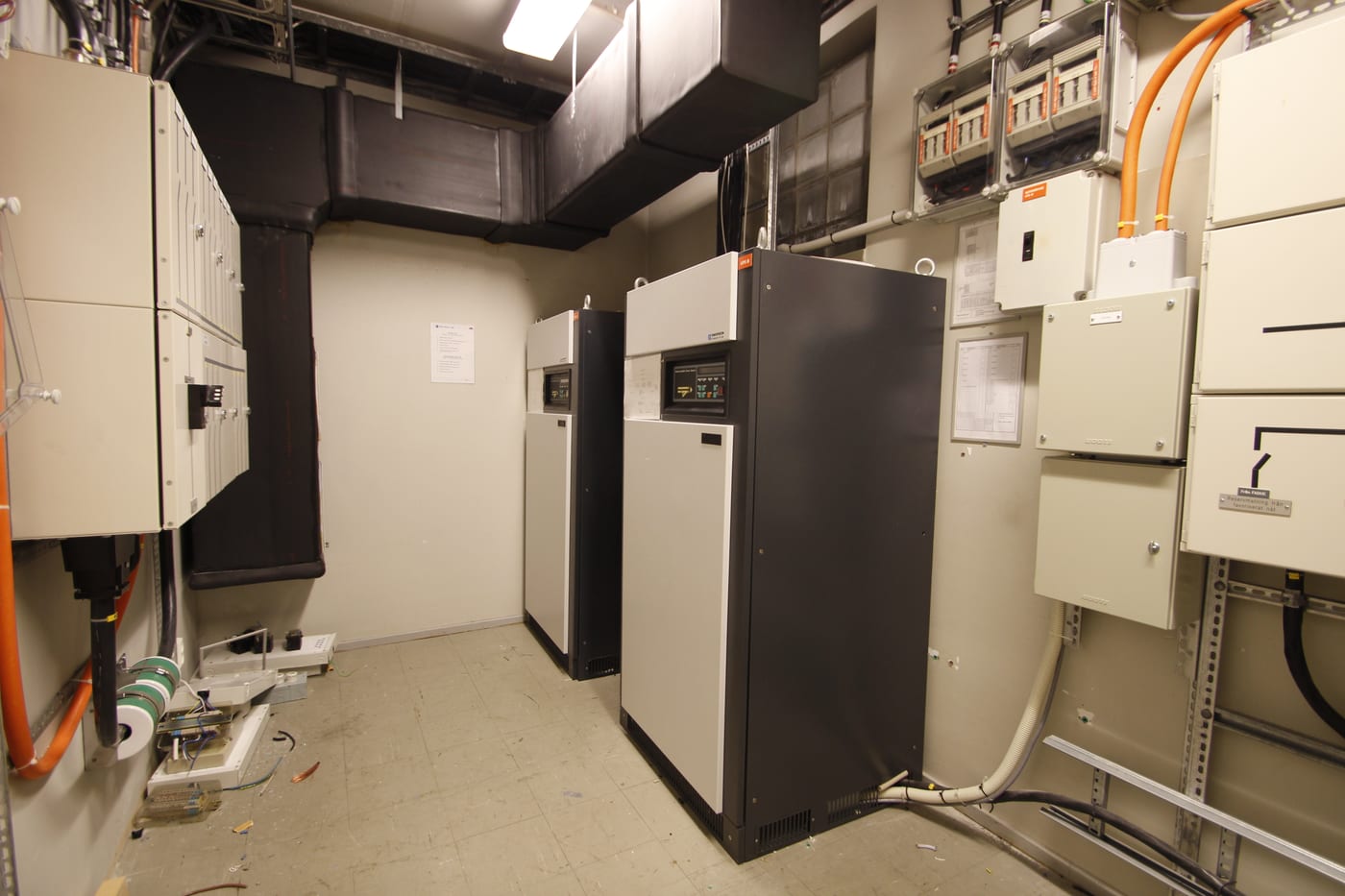
Where a data center's power comes from
The thing a data center fears is not downtime, it is a blackout. This covers the full chain from the utility feed to the rack, the three UPS topologies, why a diesel generator must carry load within ten seconds, and how the PUE number gets gamed.
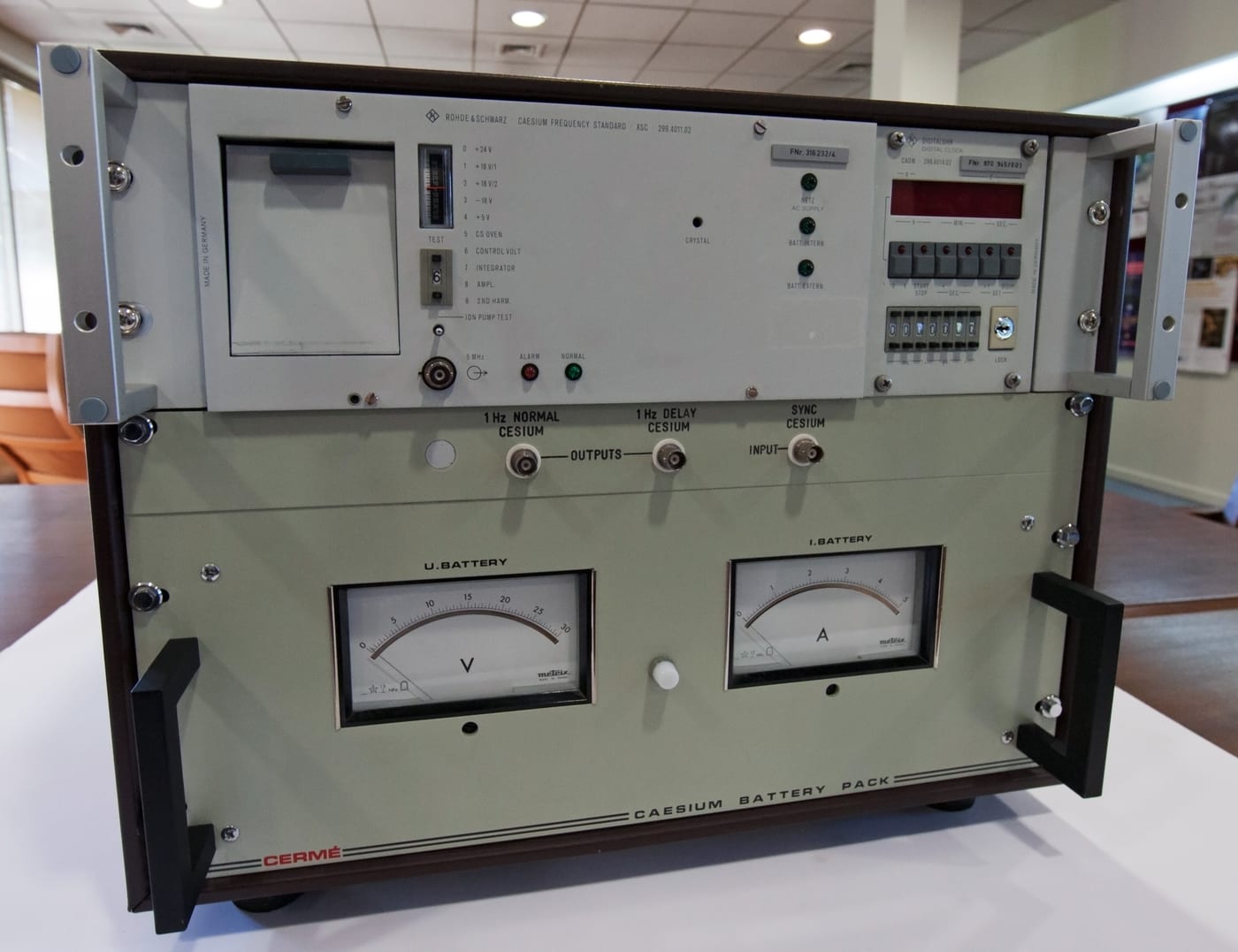
NTP and time sync: the internet's heartbeat
How far apart can two clocks be before things break? This covers how NTP derives an offset from four timestamps, why stratum measures distance rather than accuracy, why leap seconds are so awkward, and what happens when time gets poisoned.
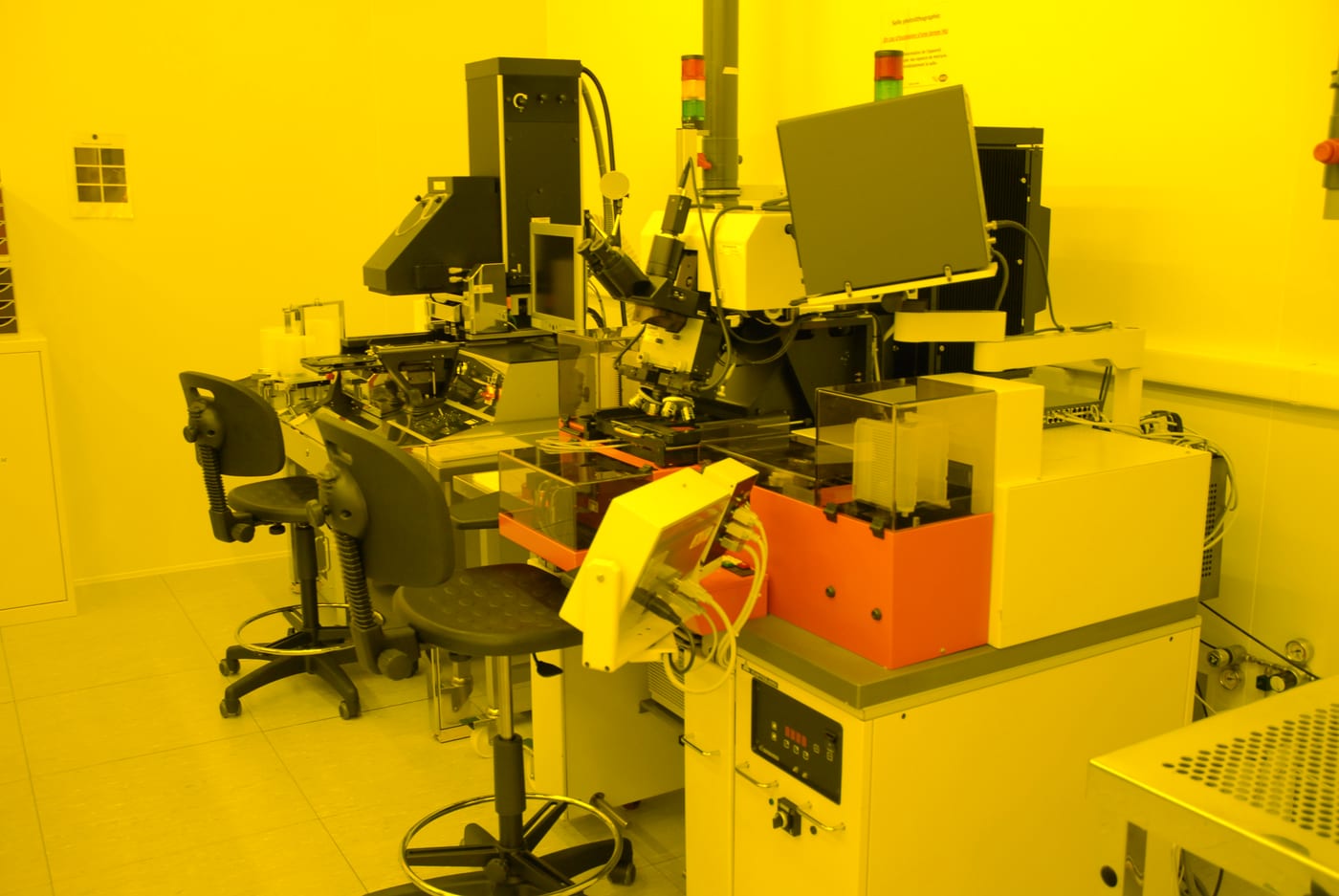
Photolithography: printing circuits onto silicon
The smallest features on a modern chip are a few nanometres across, smaller than most viruses. They are not carved but printed with light. This covers the four-step cycle, the Rayleigh criterion, the multi-patterning era, and why EUV is so hard.
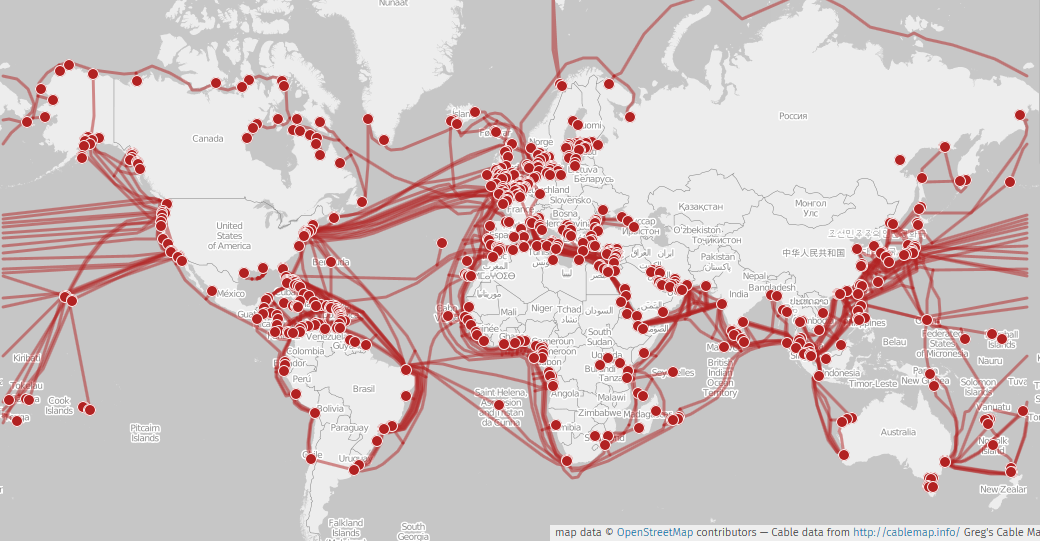
Undersea Cables: The Physical Backbone of the Internet
Every overseas site you open probably travels through a glass fibre on the ocean floor. This is how submarine cables are built, how fragile they are, who lays them, and why satellites cannot replace them.
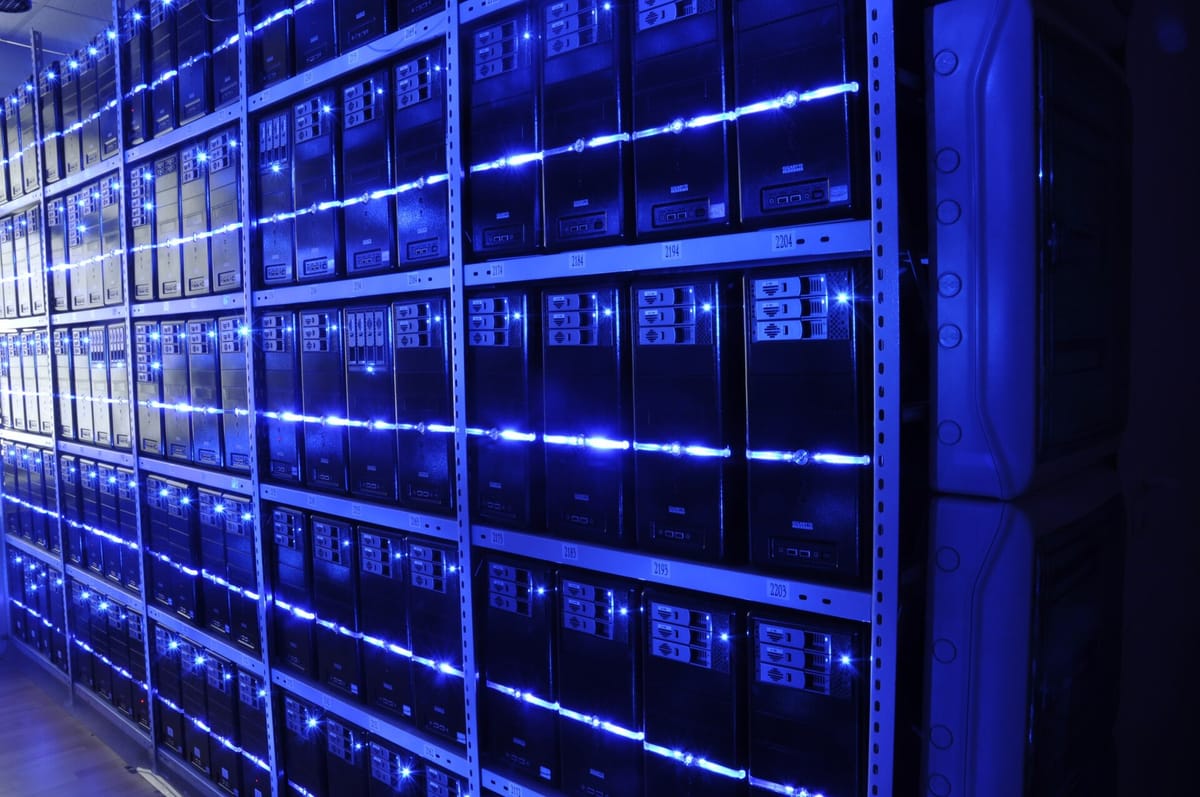
Cooling Data Centers: From Blowing Air to Taking a Bath
AI racks have outgrown air cooling. Here is why data centers are switching cooling methods, and what air, direct-to-chip liquid and immersion cooling each cost.

Low-Earth-Orbit Satellite Internet: Moving the Base Station Into the Sky
Starlink has passed eleven thousand satellites in orbit. LEO constellations cut latency to tens of milliseconds, and bring orbital debris, astronomy and capacity economics along with them.
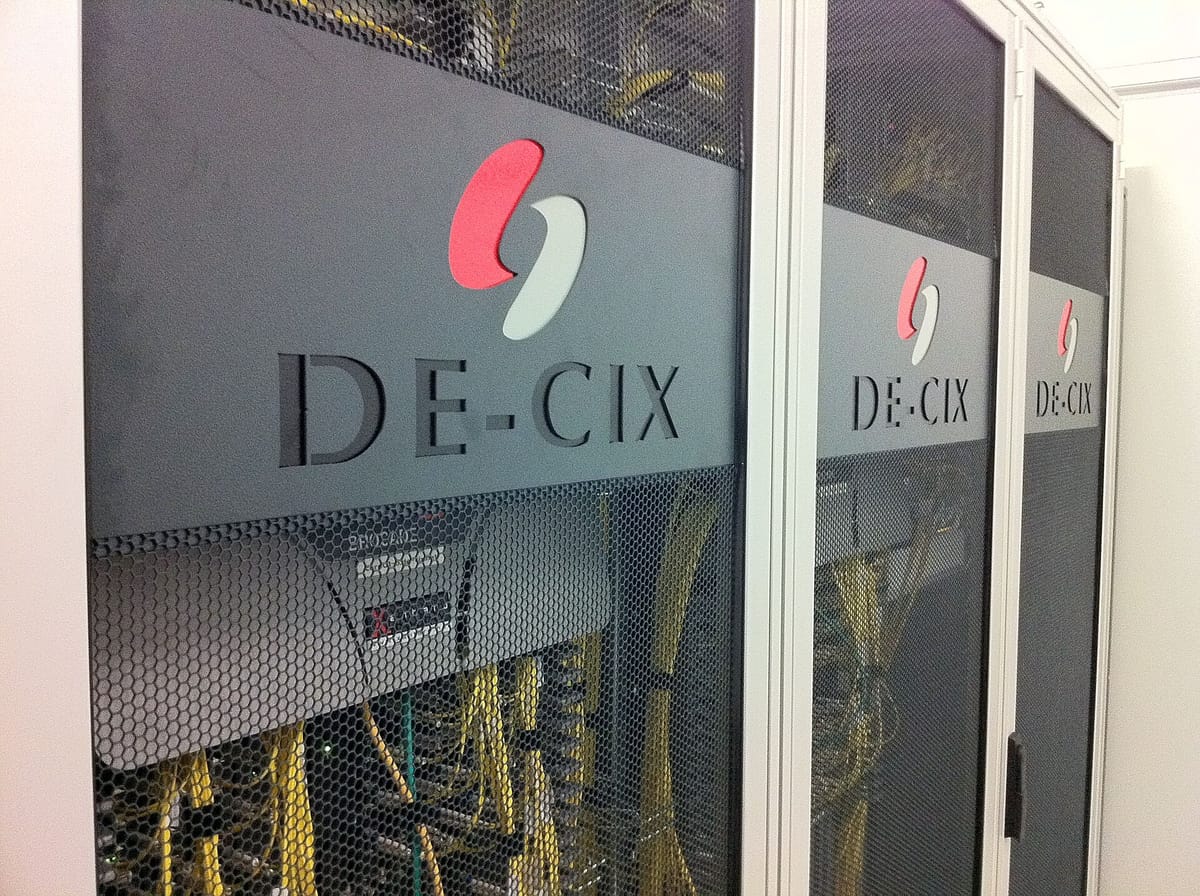
Internet Exchange Points: Where Traffic Changes Hands
Your packets leave your home line, cross a few networks, and change hands at an exchange point. Here is what an IXP is, how peering differs from transit, and why exchanges set bandwidth prices.