
GEO manipulation: when model answers are decided by search ranking
When DeepSeek opened its search API it mentioned filtering SEO spam, GEO manipulation and low-quality AIGC. GEO optimizes the probability of being cited by a model, not a page rank. Here is how it works and why it is hard to defend.
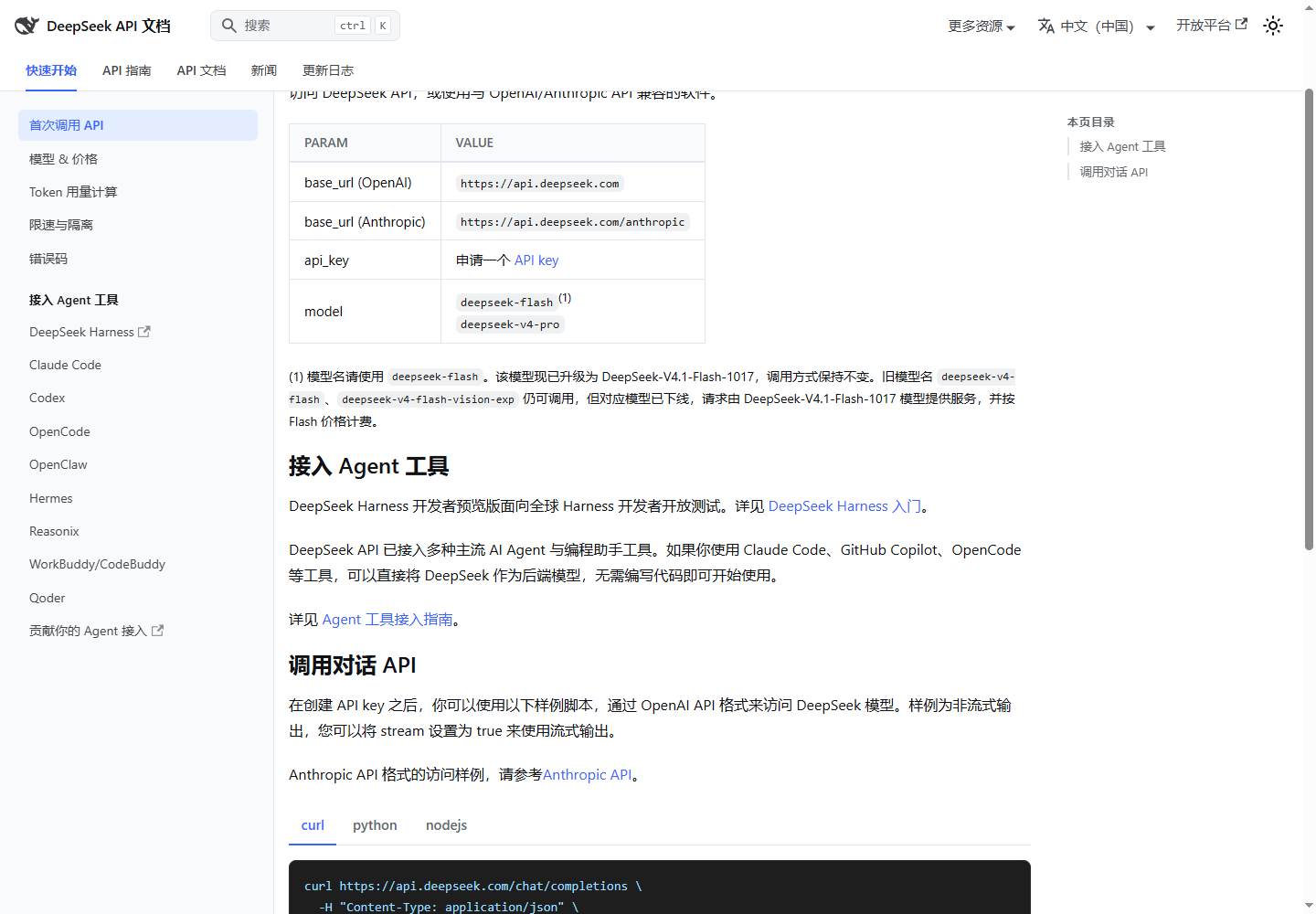
Figure: DeepSeek API docs (source: api-docs.deepseek.com, captured 2026-10-19)
GEO stands for generative engine optimization. SEO tries to rank a page; GEO tries to make a model repeat your claim. The unit of competition is no longer the link, it is the sentence the model produces.
A manipulation chain
- Publish pages that answer a question in the exact shape a model likes: short, quotable, with numbers.
- Seed those pages across sites the model’s index trusts.
- Wait for the model to cite them.
- Repeat until the claim becomes the default answer.
Why it is hard to defend
The model does not show its ranking. You cannot audit why one page was chosen over another, and the same prompt can produce different answers on different days.
What it means for content sites
Original reporting and verifiable numbers become more valuable, because they are harder to fake at scale. Thin aggregation becomes worthless.
What it means for AI products
If your product answers with citations, you need provenance, not just retrieval. Filtering at the index level is necessary but not sufficient.
Concrete GEO tactics
- Structured answers with clear claims.
- Consistent entity naming.
- Citations to primary sources.
- Freshness signals.
How platforms can detect it
Look for clusters of near-duplicate pages, coordinated publishing, and claims that only exist in the cluster. Cross-check with independent sources.
A content site checklist
- Can a reader verify each claim?
- Does the page cite primary sources?
- Is the entity named consistently?
- Is the page updated when facts change?
What AI search products should do
Show sources, rank by provenance, and detect coordinated content. A model that cannot say where a claim came from cannot defend against manipulation.
Common mistakes
- Treating GEO as traditional SEO with new keywords.
- Believing a filter solves it.
- Ignoring the long tail of low-quality pages.
My take
The answer layer is the new ranking layer. Whoever controls what the model reads controls what it says.
Comments
…